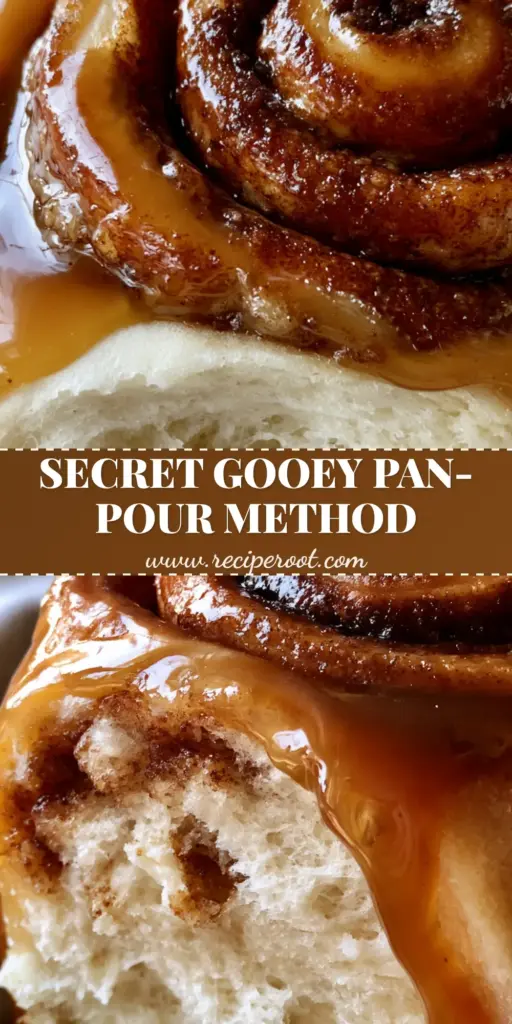
There is a specific magic that happens in the kitchen when the scent of warm yeast and toasted cinnamon begins to drift through the air. These caramel cinnamon rolls are not just another breakfast pastry; they are a masterclass in texture, featuring a pillowy brioche dough and a “glass-like” amber glaze that rivals any professional patisserie.
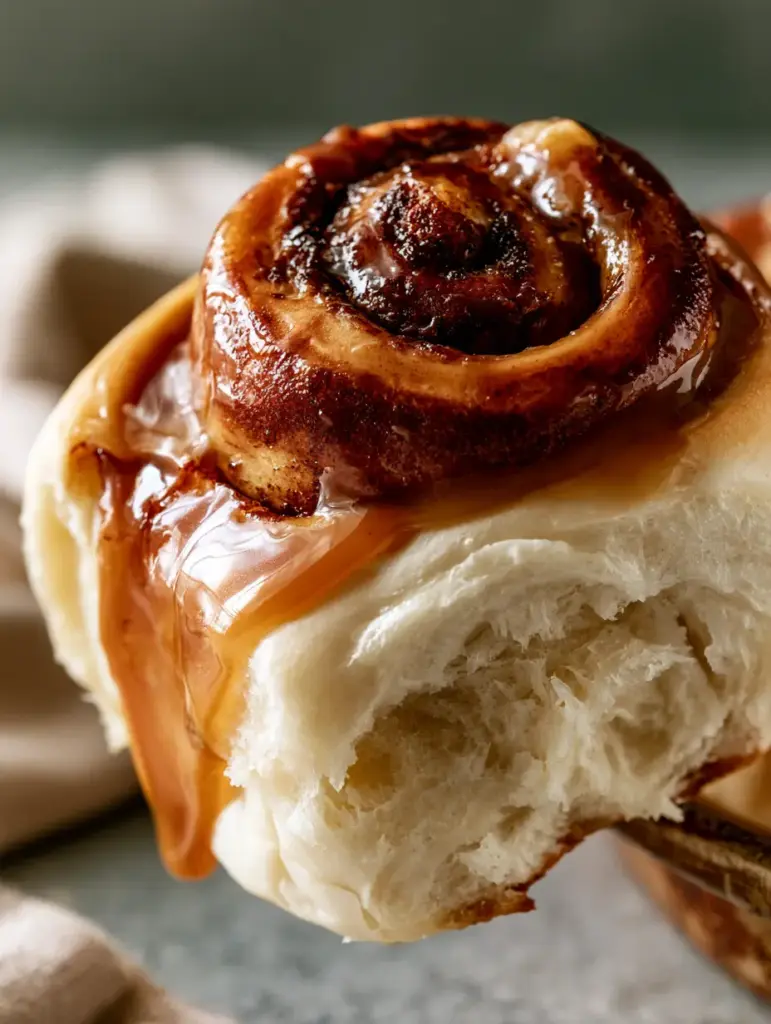
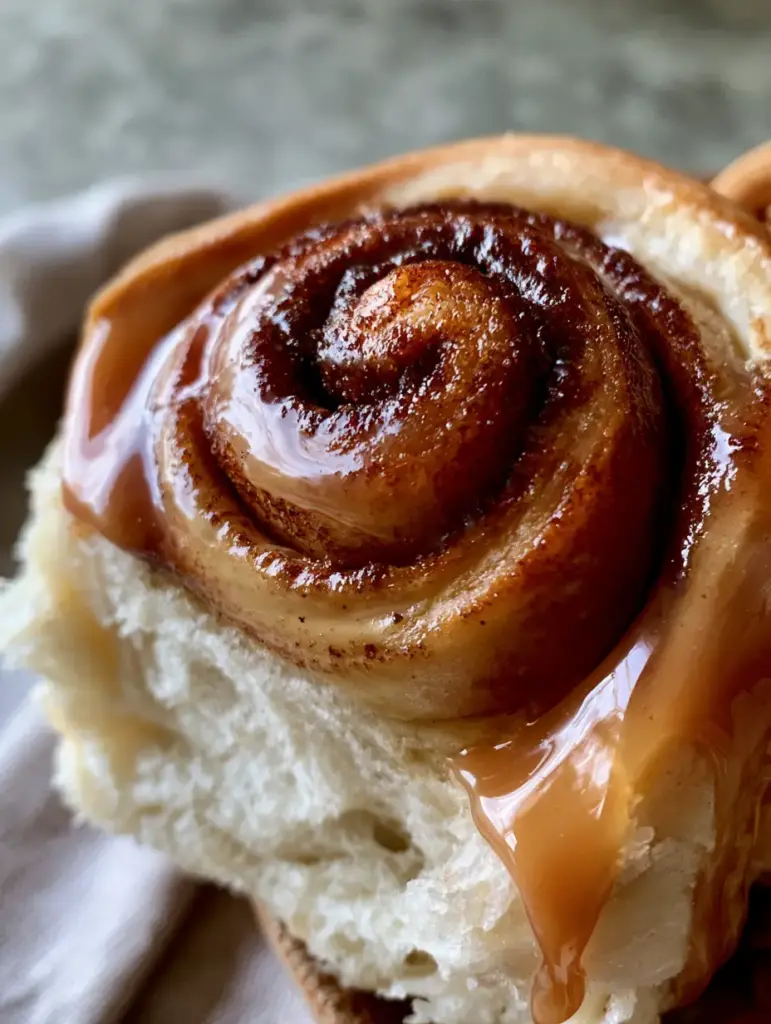
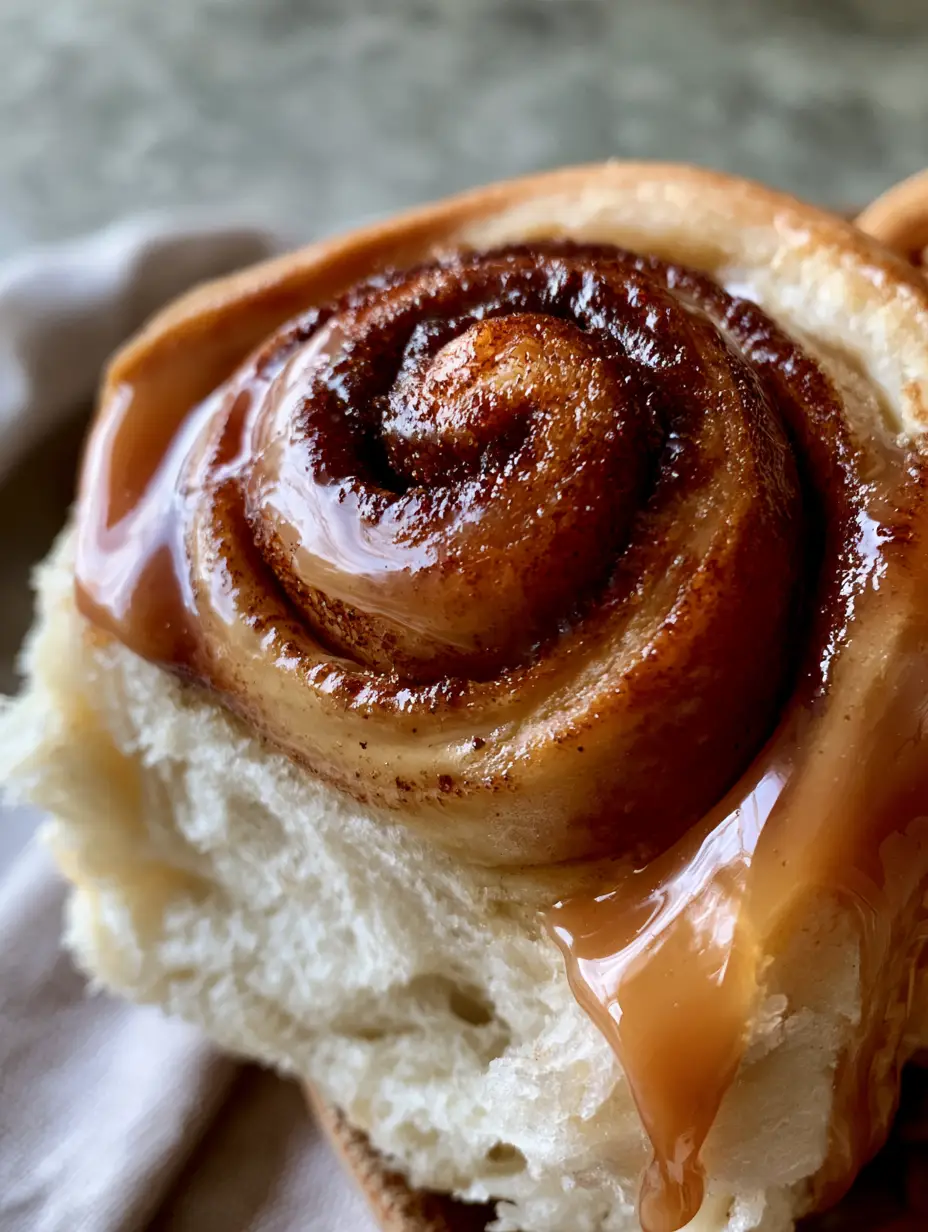
Inspired by that perfect macro shot of a single, oversized roll being lifted from a rustic pan, we designed this recipe to capture the essence of indulgence. Imagine deep, tight spirals filled with dark roasted cinnamon, a stark white interior with visible air pockets, and a translucent amber caramel glaze mid-drip.
Whether you are hosting a festive brunch or simply want to master the art of the heavy cream soak, this guide will walk you through every sensory cue. From the glistening sugar crystals on the golden-brown crust to the soft, heavy cream residue at the base, these rolls are the definitive version of a classic comfort food.
Why These Gooey Caramel Cinnamon Rolls Outperform Every Other Recipe
- The Brioche Foundation: Using a high-fat brioche base ensures a soft white dough interior that stays tender for days, unlike standard lean doughs.
- The Heavy Cream “Secret” Soak: Pouring warm heavy cream over the rolls before baking creates a decadent residue and ultra-pillowy air pockets.
- Dark Roasted Aromatics: We use a specific ratio of dark brown sugar and high-oil cinnamon to achieve those signature dark cinnamon sugar swirls.
- The Amber Mirror Finish: Our caramel glaze is engineered to be thick and translucent, providing a glossy, glass-like finish that glistens under morning light.
- Textural Contrast: You get the crunch of glistening sugar crystals against the cloud-like softness of the dough.
The Secret Ingredients for the Fluffiest Brioche Dough Possible
To achieve the “pillowy” texture seen in our visual blueprint, we must focus on high-quality fats and proper gluten development. Each ingredient serves a specific structural purpose in creating the oversized, lofty rolls you crave.
Bread Flour (500g / 4 cups): We use bread flour instead of all-purpose to provide the protein structure needed to support the heavy caramel and cream. This ensures the rolls don’t collapse under the weight of the glaze.
Whole Milk (240ml / 1 cup): Full-fat milk provides the liquid base for the dough, contributing to the stark white interior color. Ensure it is warmed to exactly 110°F (43°C) to activate the yeast without killing it.
Unsalted Butter (115g / 1/2 cup): This is incorporated slowly to create the brioche texture. High-quality European-style butter adds a richness that complements the caramel cinnamon rolls perfectly.
Large Eggs (2): Eggs provide leavening and color, helping the top edges achieve that delicate golden brown hue during the bake. Room temperature eggs emulsify better into the dough.
Heavy Cream (120ml / 1/2 cup): This is the “soak” ingredient. It is poured over the risen rolls just before they hit the oven, resulting in that iconic soft, gooey bottom residue.
Essential Tools for Professional Handheld Food Photography Results
To recreate the rustic, handheld smartphone photo look from our prompt, you need the right baking vessel and a few key tools. A 9×13 inch (23×33 cm) ceramic or cast iron baking pan is ideal for retaining heat and creating those soft, connected edges.
A sharp serrated knife or unflavored dental floss is required for cutting the spirals. Using a dull blade will compress the air pockets, ruining the “pillowy” visual we are aiming for. Finally, a heavy-bottomed saucepan is essential for the amber caramel glaze to prevent scorching the sugar.
Step-by-Step Instructions for the Perfect Caramel Drip
Crafting the Pillowy Brioche Base
In the bowl of a stand mixer, combine your warm milk, sugar, and 2.25 tsp (7g) of active dry yeast. Let it sit for 5-10 minutes until a foamy “bloom” appears on the surface, indicating the yeast is alive and ready.
Add the eggs and half the flour, mixing with the dough hook on low speed. Gradually add the remaining flour and salt, followed by the softened butter one tablespoon at a time. Knead for 8-10 minutes until the dough is smooth, elastic, and clears the sides of the bowl.
Place the dough in a lightly oiled bowl, cover with a damp cloth, and let it rise in a warm, draft-free spot for 1.5 to 2 hours. You are looking for the dough to double in size and look visibly “airy” and bloated.
Creating the Dark Cinnamon Sugar Swirls
While the dough rises, mix 1 cup (200g) of dark brown sugar with 3 tbsp (24g) of ground cinnamon. The use of dark brown sugar is vital; the molasses content creates the “dark roasted” look in the tight spirals.
Punch down the risen dough and roll it out on a lightly floured surface into a large 12×18 inch (30×45 cm) rectangle. Spread 1/2 cup (115g) of very soft butter edge-to-edge, then coat heavily with the cinnamon sugar mixture.
Roll the dough tightly starting from the long edge to create those “deep, tight spirals.” Cut into 12 oversized rolls and place them in your prepared rustic baking pan. Cover and let rise for another 45 minutes until they are touching and look “pillowy.”
The Heavy Cream Soak and The Golden Bake
Preheat your oven to 350°F (175°C). Just before sliding the pan in, pour the 1/2 cup (120ml) of heavy cream over and around the rolls. This liquid will be absorbed slightly, leaving behind a rich, white residue that keeps the interior ultra-soft.
Bake for 25-30 minutes. Look for the “visual cue”: the top edges should be a delicate golden brown while the centers remain pale and soft. If the tops brown too quickly, tent the pan with foil to preserve the stark white interior.
Mastering the Translucent Amber Caramel Glaze
In a small saucepan over medium heat, melt 1/2 cup (115g) of butter with 1 cup (200g) of brown sugar and a pinch of salt. Whisk in 1/4 cup (60ml) of heavy cream and simmer for 3 minutes until it thickens into a translucent amber liquid.
While the rolls are still warm, pour the glaze generously over the top. Watch for the “mid-drip” effect where the glaze coats the sides with a glossy, glass-like finish. Sprinkle with coarse glistening sugar crystals while the glaze is still tacky for that final macro-photo detail.
Expert Tips for Success with Caramel Cinnamon Rolls
- Don’t Over-Flour: The dough should be slightly tacky to the touch. Too much flour will result in a dry interior rather than a pillowy one.
- Temperature Control: Ensure your heavy cream soak is slightly warm (not cold) so it doesn’t shock the dough and stop the final oven spring.
- The “Floss” Trick: For the cleanest “tight spirals,” use a piece of dental floss to cut the rolls. This prevents the dough from squishing.
- Visual Doneness: Use a digital thermometer; the internal temperature of a perfectly baked roll should be 190°F (88°C).
Storage, Reheating, and Freezing Advice
These caramel cinnamon rolls are best enjoyed fresh from the pan when the glaze is still mid-drip. However, you can store leftovers in an airtight container at room temperature for up to 2 days or in the refrigerator for 5 days.
To reheat, place a single roll in the microwave for 15-20 seconds. This reactivates the fats in the brioche and softens the caramel glaze back to its glossy state. For long-term storage, freeze the baked (but unglazed) rolls for up to 3 months, then glaze after reheating.
Delicious Pairings to Complete Your Brunch Spread
While these rolls are a meal in themselves, they pair beautifully with other caramel-forward treats or creamy desserts. If you love the profile of this glaze, try our decadent salted caramel cheesecake for your next gathering.
For a complete coffee house experience, serve these warm rolls alongside a homemade caramel ribbon crunch frappe. If you prefer a cookie format, our caramel chocolate chip cookies offer that same gooey texture in a portable snack.
If you’re looking for more “pudding-like” softness, you might also enjoy exploring our ultra creamy banana pudding recipe which shares that “pillowy” mouthfeel our readers love.
Frequently Asked Questions
Yes! You can assemble the rolls, place them in the pan, and refrigerate overnight. In the morning, let them come to room temperature and rise for 45 minutes before adding the cream soak and baking.
The key is to boil the sugar and butter just long enough to emulsify without over-cooking it into a hard candy stage. Using a bit of heavy cream helps maintain that ‘glass-like’ transparency.
Pouring heavy cream over the rolls before baking creates a steam effect in the oven, resulting in a much softer, ‘pillowy’ texture and a rich, gooey residue at the bottom of the pan.
Dry rolls usually come from adding too much flour during the kneading process or over-baking. Use a digital thermometer to pull them out at 190°F (88°C) for maximum softness.
Bread flour has a higher protein content, which creates more gluten. This provides the structural strength needed to hold up the heavy caramel glaze and the moisture from the cream soak without becoming soggy.
The Ultimate Caramel Cinnamon Rolls Recipe Card
Caramel Cinnamon Rolls: The Ultimate Gooey Brioche Recipe for Bakeries at Home
Ingredients
Equipment
Method
- Combine warm milk, sugar, and yeast; let foam for 10 minutes.
- Mix in eggs and flour, then incorporate butter. Knead for 8-10 minutes until smooth.
- Roll out dough, spread with butter and dark cinnamon sugar. Roll tightly and cut into 12 pieces.
- Pour heavy cream over risen rolls just before baking at 350°F (175°C) for 25-30 minutes.
Notes
Use dental floss for the cleanest cuts to maintain the pillowy air pockets.
Share Your Morning Bake with the Community!
We hope these caramel cinnamon rolls bring a bit of bakery-quality joy to your kitchen. The combination of the dark roasted cinnamon and that amber caramel glaze is truly unmatched. Did you manage to capture that perfect “mid-drip” photo?
If you made these, please leave a comment and a star rating below! We love seeing your recreations. Don’t forget to save this recipe to your breakfast boards on Pinterest so you never lose the secret to the perfect heavy cream soak.