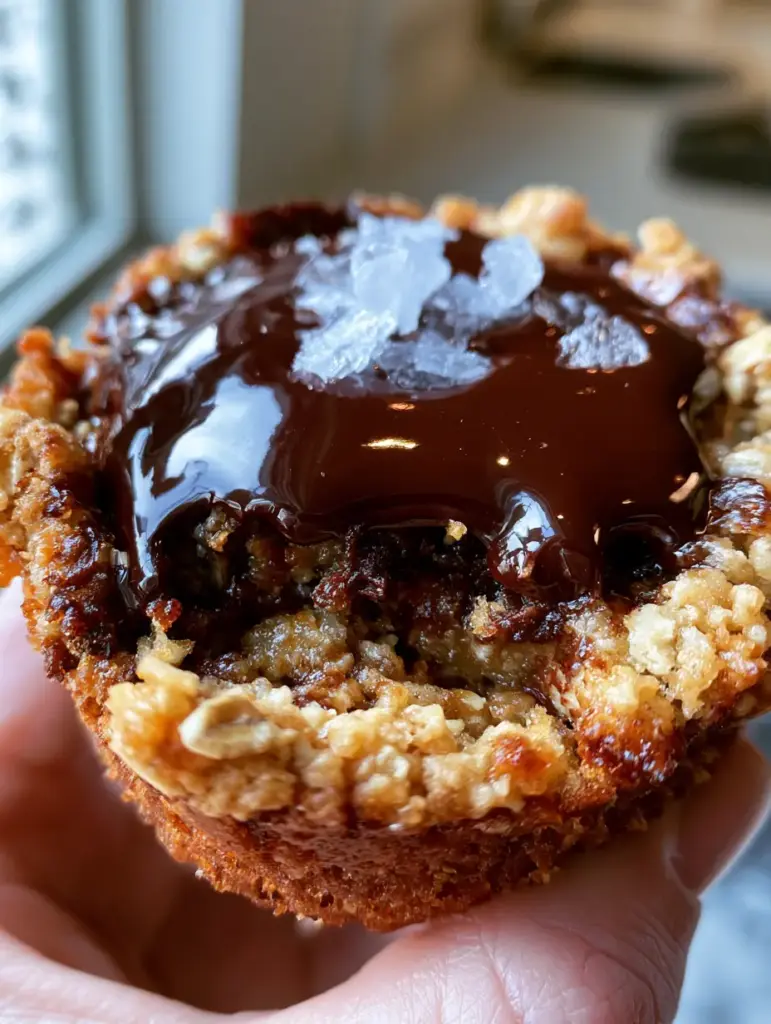
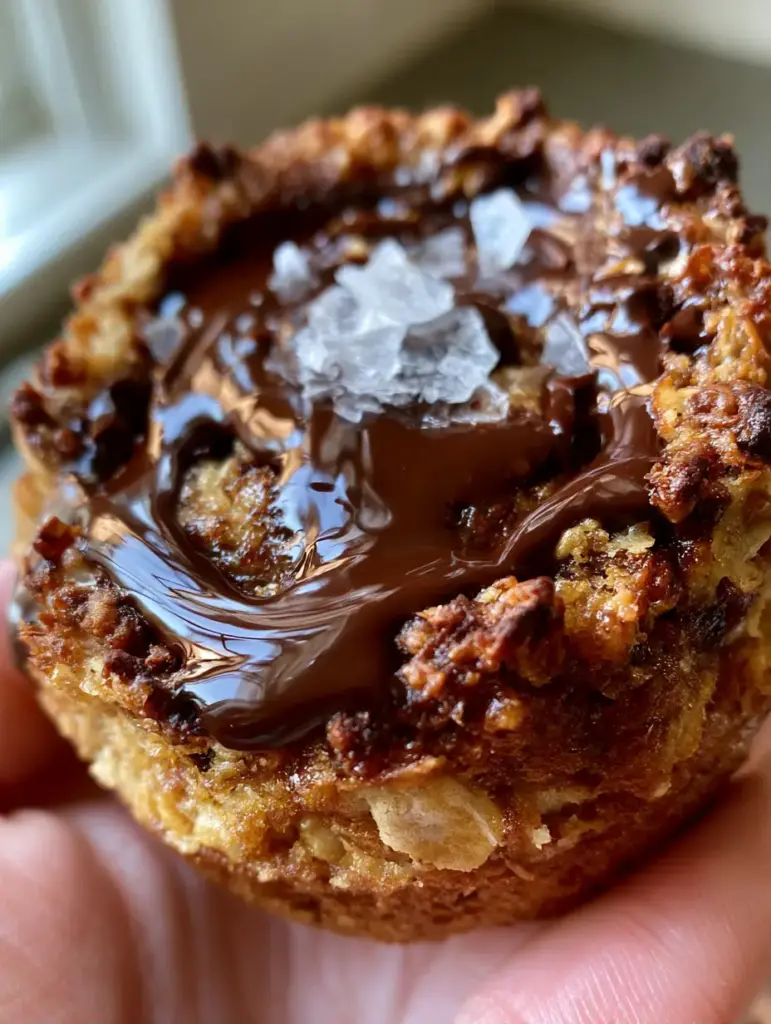
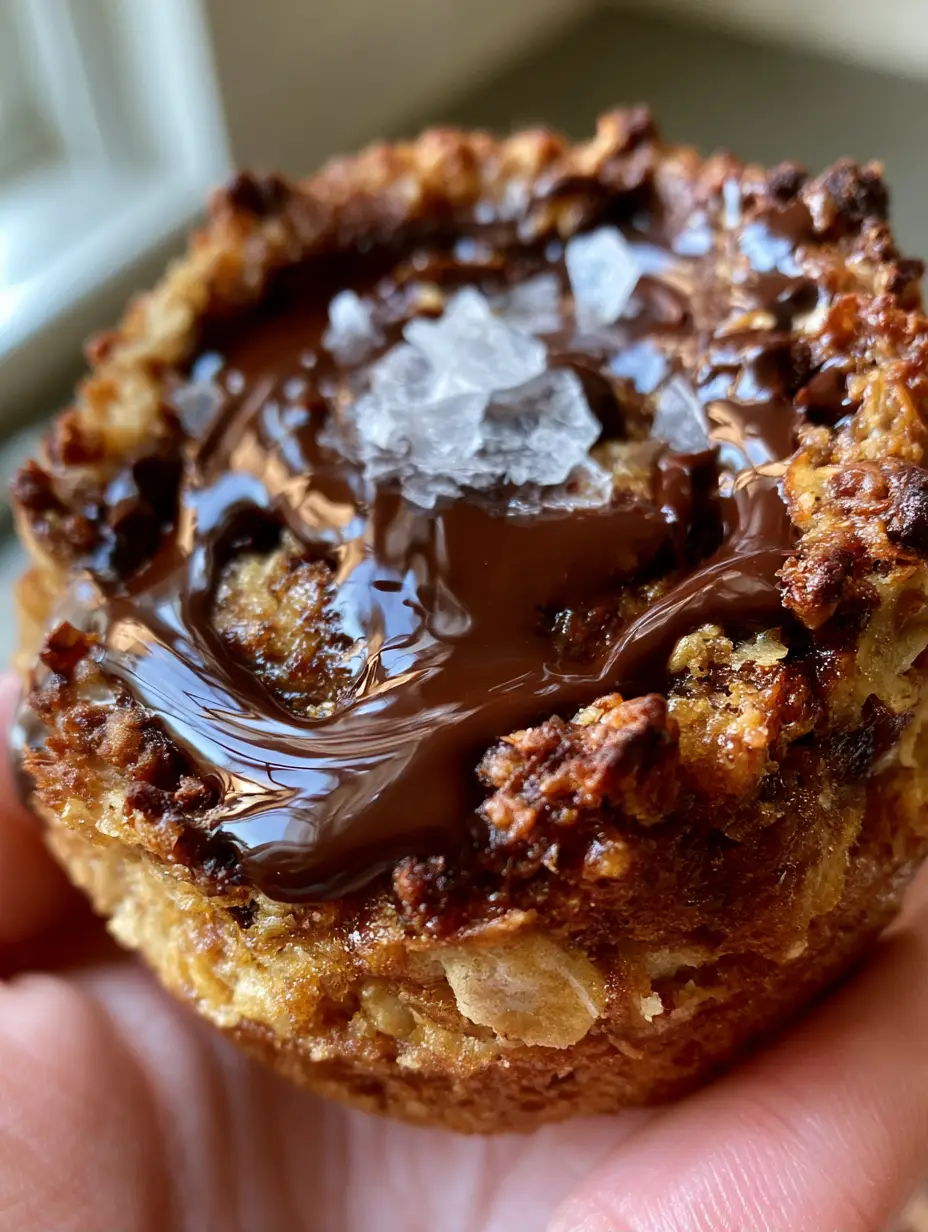
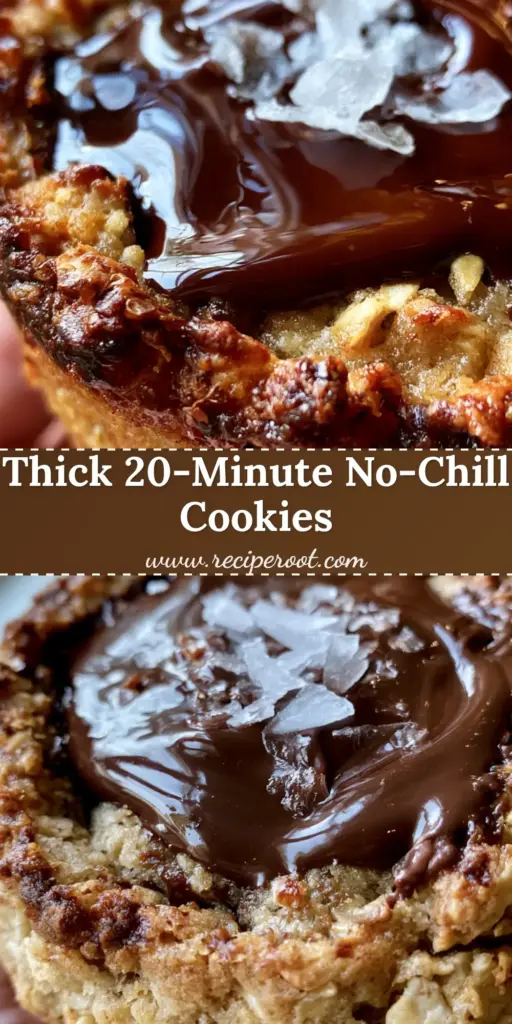
There is a specific kind of magic found in a perfect Oatmeal Chocolate Chip Cookie. We are not talking about the dry, crumbly hockey pucks often found in lunchboxes. We are talking about a thick, ultra-chewy specimen that boasts a deep golden-brown base, crinkly toasted edges, and a center so soft it almost feels underbaked. This recipe is designed to produce the exact cookie you see in high-end food photography—complete with glistening pools of melted dark chocolate and large, translucent crystals of flaky sea salt that catch the light.
Achieving this level of culinary excellence requires more than just mixing ingredients; it requires an understanding of the Maillard reaction and the structural integrity of a well-hydrated dough. By toasting our oats and browning our butter, we create a complex flavor profile that elevates the humble Oatmeal Chocolate Chip Cookie into a gourmet experience. Whether you are a seasoned baker or a curious novice, this guide will walk you through the sensory cues—the smell of nutty butter, the sight of bubbling chocolate, and the feel of a dense, weighted cookie—that signal success.
The Anatomy of a Perfect Bakery-Style Texture
- Dynamic Texture Contrast: The combination of toasted rolled oats and a high-moisture dough creates a signature “crispy edge, soft middle” profile.
- Glistening Chocolate Pools: By using chopped dark chocolate bars instead of standard chips, we achieve reflective, liquid pools that swirl across the top.
- Deep Flavor Depth: Browned butter solids add tiny specks of toasted flavor that permeate every bite of the Oatmeal Chocolate Chip Cookie.
- Visual Finishing Touches: A light garnish of flaky sea salt provides a professional sheen and balances the richness of the dark chocolate.
Essential Components for the Ultimate Cookie Base
Unsalted European-Style Butter (225g / 1 cup): We start by browning this butter to remove water content and toast the milk solids, providing a nutty foundation. If you love this flavor profile, you might also enjoy our cinnamon bun cheesecake which uses similar warm, toasted notes.
Old Fashioned Rolled Oats (270g / 3 cups): These are non-negotiable for the required “visible texture.” We will toast these separately to ensure they remain nutty and distinct rather than mushy.
Dark Chocolate Bars, 70% Cocoa (200g / 7 oz): Avoid standard chips, which contain stabilizers. Roughly chopped chocolate creates those “reflective liquid sheens” described in the visual blueprint.
Dark Brown Sugar (200g / 1 cup, packed): The high molasses content is what gives the Oatmeal Chocolate Chip Cookie its ultra-chewy, dense center and deep golden color.
All-Purpose Flour (250g / 2 cups): Provides the necessary structure to keep the cookie thick and handheld without spreading into a thin pancake.
Flaky Sea Salt (for garnish): Large, translucent crystals like Maldon are essential for that “high-end food blog” aesthetic and a pop of flavor. For more salty-sweet goodness, check out our salted brownie crinkle cookies.
Invisible Essentials: You will also need 1 tsp (5ml) pure vanilla extract, 1 large egg plus 1 egg yolk (for extra chew), 1 tsp (5g) baking soda, and 1/2 tsp (3g) kosher salt for the dough itself.
The Professional Tool Kit
To achieve the results of a handheld smartphone photo with realistic shadows, your equipment matters as much as your ingredients. You will need a heavy-bottomed stainless steel skillet for browning the butter, which allows you to see the color change clearly. A large baking sheet lined with parchment paper ensures the “golden-brown crispy edges” don’t stick or burn. Finally, a 2-ounce (60ml) cookie scoop is the secret to getting that “thick” and “handheld” look with consistent sizing.
Mastering the Brown Butter and Toasted Oat Technique
Step 1: The Maillard Pre-Treatment
Preheat your oven to 350°F (175°C). Spread your 3 cups (270g) of rolled oats on a bare baking sheet. Toast them for 8-10 minutes until they smell like toasted nuts and look slightly golden. This step prevents the oats from soaking up too much moisture and becoming soggy in the dough.
Step 2: Browning the Liquid Gold
In a light-colored skillet, melt the 1 cup (225g) of butter over medium heat. Swirl constantly as it foams. Watch for the “sensory cue”: the foam will subside, and you will see tiny brown specks (milk solids) at the bottom. Once it smells like toasted hazelnuts, immediately remove from heat and pour into a heat-proof bowl to stop the cooking. Let it cool until it is no longer hot to the touch but still liquid.
Step 3: Building the Dense Dough
Whisk the browned butter with the 1 cup (200g) of dark brown sugar and 1/2 cup (100g) of granulated sugar until fully combined. Add the egg, egg yolk, and vanilla, whisking vigorously for 2 minutes. You are looking for the mixture to lighten in color—this incorporates air that will later expand to create those “crinkly edges.”
Step 4: Folding and Hydrating
Gently fold in the flour, baking soda, and kosher salt. Before the flour is fully disappeared, add the toasted oats and 3/4 of your chopped dark chocolate. The dough will be thick and heavy. For the best Oatmeal Chocolate Chip Cookie, you must chill this dough for at least 30 minutes. This allows the oats to hydrate and the butter to firm up, ensuring the cookies stay “thick” during baking.
Step 5: The High-End Finish
Scoop large balls of dough (about 3 tablespoons each) onto your prepared sheet. Press the remaining chocolate chunks into the tops of the dough balls. Bake for 10-12 minutes. Look for the “Visual Cue”: the edges should be a deep golden-brown and set, but the centers should still look slightly soft and “underbaked.”
Step 6: The Salt and Pan-Bang
As soon as you remove the tray from the oven, tap it firmly against the counter once or twice. This ripples the edges for that “crinkly” look. Immediately sprinkle the “glistening pools” of chocolate with your flaky sea salt while they are still liquid.
Expert Tips for Success
- The “Pool” Secret: If your chocolate isn’t pooling enough, use a toothpick to gently swirl the melted chunks into the dough immediately after baking.
- Temperature Control: If your brown butter is too hot when you add the sugar and eggs, it can cook the eggs and ruin the emulsion. Patience is key.
- Scoop Height: For a “thick, ultra-chewy” result, roll your dough balls into tall cylinders rather than perfect spheres. This encourages vertical height over horizontal spread.
- The Overnight Option: For an even deeper flavor, let the dough sit in the fridge overnight. This is a technique we also use in our cookie dough overnight oats to let the flavors meld.
Preserving the Texture: Storage and Reheating
To maintain the “soft dense center,” store your cookies in an airtight container at room temperature for up to 4 days. Including a small piece of white bread in the container is a classic trick to keep them moist. If you want to recreate that “reflective liquid sheen” on the chocolate, microwave a cookie for 8-10 seconds before serving. For long-term storage, these cookies freeze beautifully for up to 3 months; just thaw at room temperature for an hour.
Perfect Pairings for a Gourmet Dessert
While a cold glass of milk is traditional, the complexity of the browned butter and dark chocolate in this Oatmeal Chocolate Chip Cookie pairs excellently with other treats. For a brunch spread, serve them alongside our refreshing green juice to balance the richness. If you are hosting a dessert party, these cookies provide a great textural contrast to a creamy banana pudding cheesecake or a silky no-bake lemon pie.
Common Questions About This Recipe
We don’t recommend it for this specific recipe. Quick oats are smaller and will disappear into the dough, losing that ‘visible texture’ and ‘thick’ structure we are aiming for.
Yes. Brown butter adds toasted milk solids that provide a complex, savory depth of flavor that balances the sweetness of the sugar and the richness of the chocolate.
Use a high-quality dark chocolate bar and chop it by hand. Chocolate chips contain stabilizers to hold their shape, whereas chopped bars melt into liquid pools with a reflective sheen.
The ‘pan-bang’ method! Tapping the baking sheet against the counter immediately after removing it from the oven causes the soft center to ripple the set edges.
Toasting the oats enhances their nutty flavor and prevents them from absorbing too much moisture from the dough, ensuring the cookie stays chewy rather than mushy.
The Ultimate Oatmeal Chocolate Chip Cookie Recipe Card
Oatmeal Chocolate Chip Cookie: The Ultimate Brown Butter and Sea Salt Masterpiece
Ingredients
Equipment
Method
- Spread oats on a baking sheet and toast at 350°F (175°C) for 8-10 minutes until golden and fragrant.
- Melt butter in a skillet over medium heat, swirling until milk solids turn golden brown and smell nutty. Cool slightly.
- Whisk browned butter with both sugars, then add egg, yolk, and vanilla, beating until the mixture lightens.
- Fold in dry ingredients, followed by toasted oats and chocolate chunks. Chill the dough for 30 minutes.
- Scoop 3-tbsp balls onto a sheet. Bake for 10-12 minutes until edges are crispy but centers remain soft.
- Tap pan on counter to create crinkles and immediately sprinkle with flaky sea salt.
Notes
Toast the oats before adding to the dough to keep the texture crunchy and nutty.
Oatmeal Chocolate Chip Cookie: The Ultimate Brown Butter and Sea Salt Masterpiece
Ingredients
Equipment
Method
- Spread oats on a baking sheet and toast at 350°F (175°C) for 8-10 minutes until golden and fragrant.
- Melt butter in a skillet over medium heat, swirling until milk solids turn golden brown and smell nutty. Cool slightly.
- Whisk browned butter with both sugars, then add egg, yolk, and vanilla, beating until the mixture lightens.
- Fold in dry ingredients, followed by toasted oats and chocolate chunks. Chill the dough for 30 minutes.
- Scoop 3-tbsp balls onto a sheet. Bake for 10-12 minutes until edges are crispy but centers remain soft.
- Tap pan on counter to create crinkles and immediately sprinkle with flaky sea salt.
Notes
Toast the oats before adding to the dough to keep the texture crunchy and nutty.
Sharing the Cookie Love
Mastering the Oatmeal Chocolate Chip Cookie is a rite of passage for every home baker. We hope these visual cues and culinary techniques help you create a batch that looks just as good as it tastes. If you made these, please leave a comment below and tell us how your “chocolate pools” turned out! Don’t forget to follow us on Pinterest and share your photos with the community.